INTRO
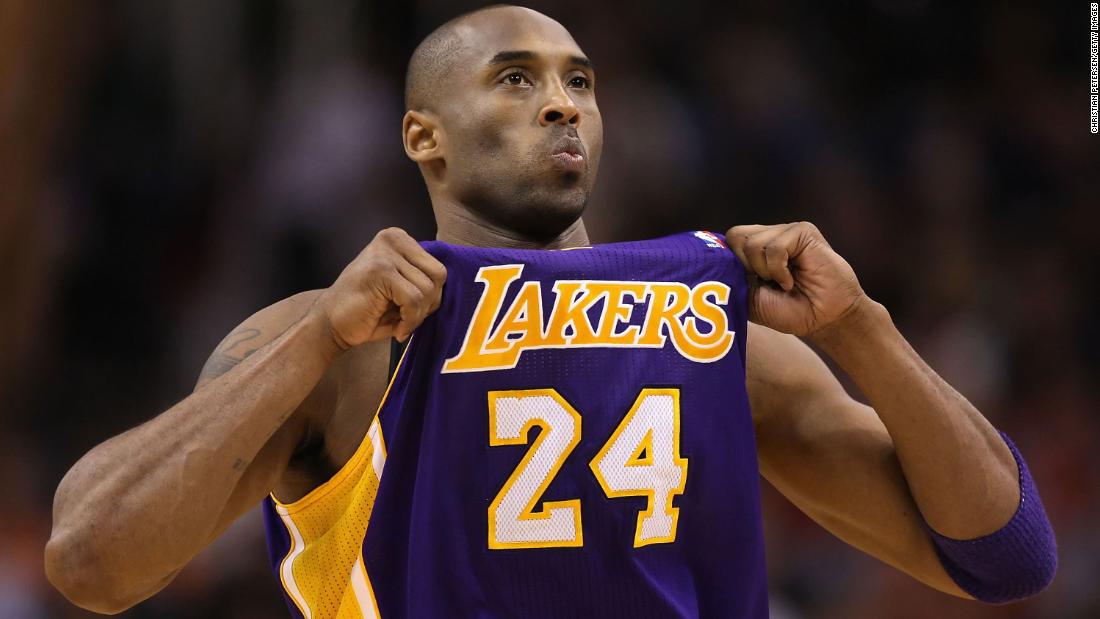
Hockey is a sport for the cultural man, because it’s a stage for men to show off their dominance, strength, aggressiveness and competitiveness so they can show everyone who the strongest is.
The cultural man is defined as strong, dominant, tough, aggressive, physical, competitive and forceful which are all adjectives that that describes what hockey fans think you need as a hockey player. Things that you need to be able to do as a man: takes action, protects women and children, gets the job done, takes risks (Kilmartin, Defining Men’s studies). Also, physical risk-taking is one of the negative aspects of today’s masculinity (Kilmartin, Men at Work: Jobs, Careers, and Masculinity). Nick Kypreos said in “The Code”, the hockey documentary that, he himself dropped his gloves and fought just to show that he still a tough guy and physical force. Also, they say in the documentary that teams use this method in order intimidate other teams and win games.

“There is a deep tension between intimacy and masculinity. He wants both, and each seems to be purchased at the price of the other”’ (Kilmartin, No man is an Island: Men in relationships). This causes them to not be open about certain things in their life, such as the negative suicidal thoughts that hockey players feel due to the fighting and concussions on the ice like the hockey player Todd Ewen or Wade Belak. This is why men should feel more open about their feelings and share it with others so their close ones can help. Moreover, “[…] he may find it very difficult to “flip the switch” that turns on all of the emotional and relationship attitudes that he has suppressed all day at work” (Kilmartin, Masculinity). In other words, at work, which in this case is ice hockey, they contain all their emotions and act like another person so, when arrived at home, they find it not only physically challenging to spend some quality time with their family, but also mentally challenging because they know they spent the whole day being aggressive on the ice with other players. This was something that some players wholeheartedly hated doing just like Todd Ewen who told his wife that.

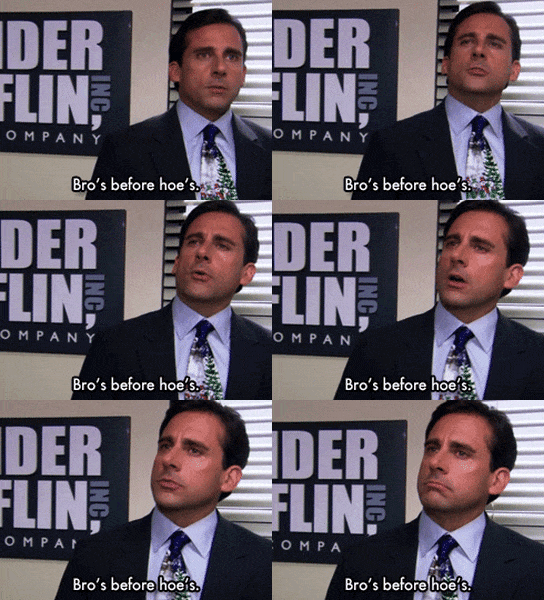
The code in hockey is similar to the bro code that young adult boys respect nowadays. It’s a “principle” that basically states that you put your boy friends before girls as a guy or a man. In hockey, it states things like don’t body check with your stick or to take off your helmet when fighting another hockey player to protect his hands. “What it means to be a man varies in different institutional contexts, and those different institutional contexts demand and produce different forms of masculinity”. This means that just like the bro code, the hockey code is also an institution that forces some of these men to participate and practice this code, meaning that they feel obliged to fight because everyone else is doing it and telling them to do so. “Boys may be boys, […] but they express that identity differently in fraternity parties than in job interviews with a female manager” (Kilmartin, Masculinity). This also means that similar to movies, they show how the man respects the bro code when they are with their girlfriend and they just leave her even if they didn’t want to because his “boys” are here even though he would prefer to stay with her. It’s almost as they flip a switch that transforms how they act. I for one have seen this happen with one of my friends whenever we arrived as a group and saw him with his girlfriend at school for example. Not often of course, because we’re the type of friends that leave couples in the friend group some space.


CONCLUSION
All things considered, these hockey players are no different from other “average” men who suffer from emotional suppression, respecting the cultural man norms, and feeling like they have no one to go and develop some suicidal thoughts. This means that despite the fact that these hockey players are around other people such as their teammates and coach, they can still feel lonely, unlike office workers, for example, who spend the big majority of their time only working with numbers on paperwork in front of a computer and not actually talking to anyone.
Works Cited
Kilmartin, Christopher. “Defining Men’s studies.” (n.d.): 1-7.
—. “Masculinity.” (n.d.): 1-5.
—. “Men at Work: Jobs, Careers, and Masculinity.” (n.d.): 221-235.
—. “No man is an Island: Men in relationships.” (n.d.): 161-171.